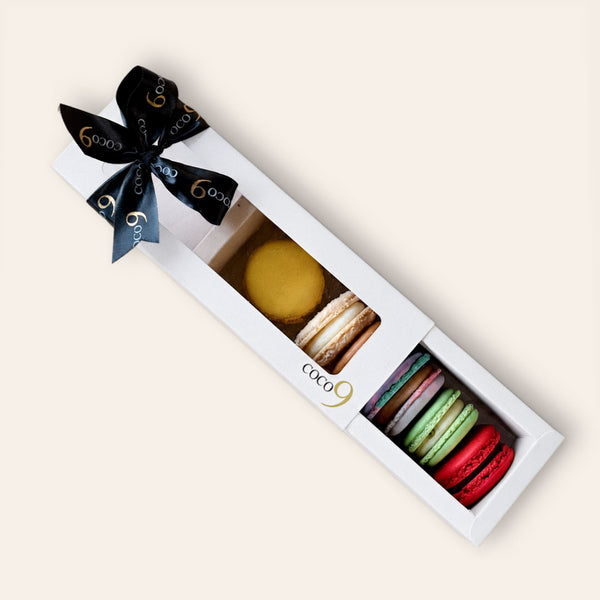
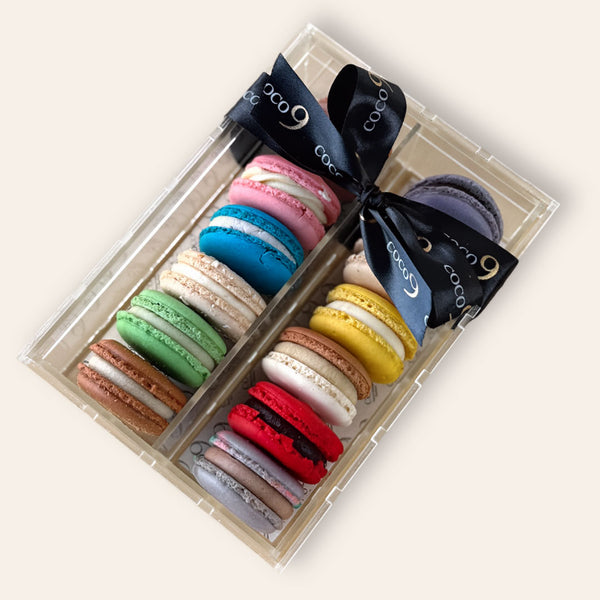
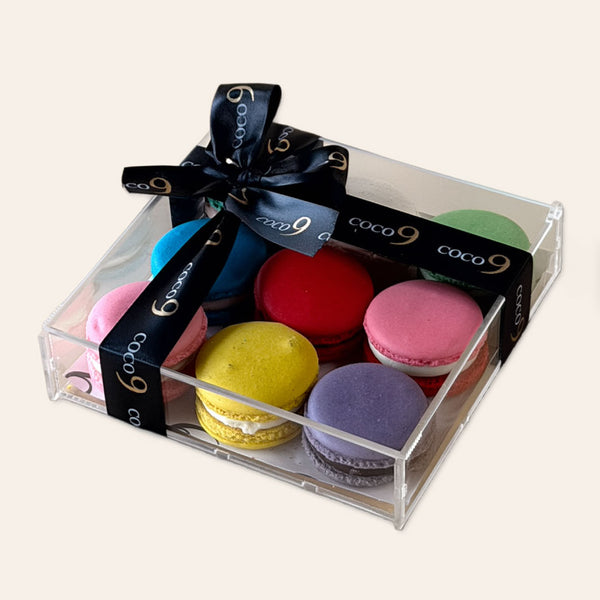
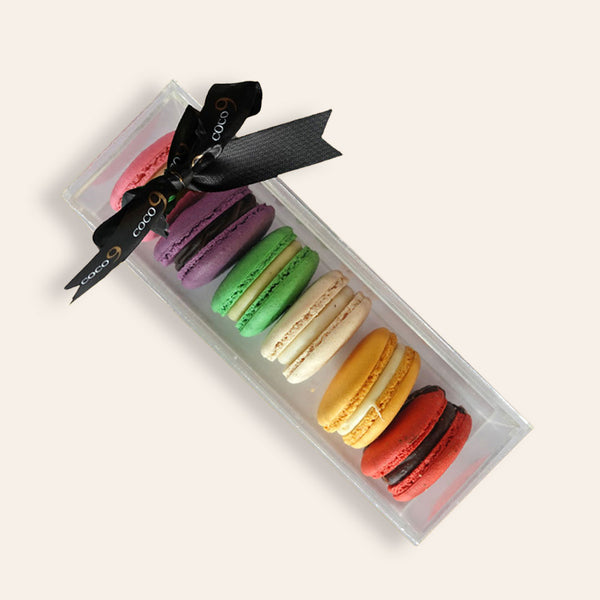
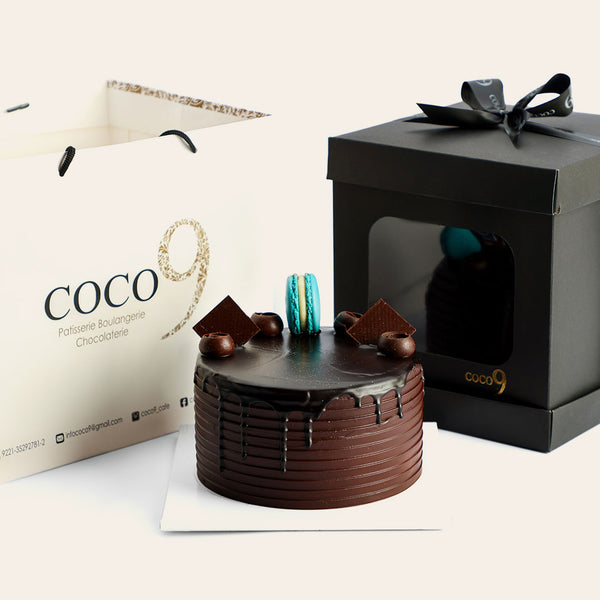
There’s something magical about biting into a perfectly made macaron. The delicate crunch of the outer shell, the airy interior, and the creamy filling all come together in one elegant, bite-sized treat. But behind that flawless finish lies a careful process that blends science, precision, and artistry.
The Foundation: Quality Ingredients
Every macaron starts with just a handful of simple ingredients: almond flour, egg whites, granulated sugar, and powdered sugar. Despite the simplicity, quality is everything. Finely ground almond flour ensures a smooth shell, while fresh egg whites help create a stable meringue. Even the sugar’s texture plays a role in achieving the right consistency.
Because macarons are so delicate, bakers must measure ingredients with extreme accuracy. Unlike other baked goods, a slight imbalance can lead to cracked tops, hollow shells, or flat cookies without the signature “feet” (the ruffled base of a well-made macaron).
Creating the Perfect Meringue
The process begins with whipping egg whites into a meringue. Sugar is gradually added to stabilize the foam and create glossy, stiff peaks. This step is crucial because the meringue gives the macaron its light structure and lift.
There are typically two methods used by professional bakers: the French method and the Italian method. The French method is more straightforward, while the Italian method involves pouring hot sugar syrup into whipped egg whites for a more stable and consistent result. Each bakery chooses the technique that aligns with its style and consistency standards.
The Art of Macaronage
Once the meringue is ready, it’s gently folded with sifted almond flour and powdered sugar. This step, known as macaronage, is where the real artistry begins. The batter must be mixed just enough to achieve a smooth, lava-like consistency.
Under-mixing leads to lumpy shells. Over-mixing causes the batter to spread too much, resulting in flat macarons. Experienced bakers rely on visual cues and texture rather than strict timing. The batter should flow slowly off the spatula and form a ribbon that disappears back into the mixture within seconds.
Piping and Resting
The batter is then transferred into a piping bag and piped onto baking trays lined with parchment paper or silicone mats. Consistency and uniformity are key. Each circle should be the same size to ensure even baking and a professional appearance.
After piping, the trays are gently tapped to release air bubbles. Then comes an important waiting period: resting. The piped shells sit at room temperature until a thin skin forms on the surface. This skin is what helps create the iconic “feet” during baking.
Baking with Precision
Macarons are baked at carefully controlled temperatures. Too hot, and the shells crack. Too cool, and they won’t rise properly. During baking, the shells lift and develop their delicate ruffled edges.
When done correctly, the shells should have smooth tops, firm bases, and a slightly chewy interior. They are then allowed to cool completely before being removed from the tray.
The Filling: Flavor and Balance
The final step is filling the macarons. Popular fillings include buttercream, ganache, fruit jam, or pistachio cream. The filling isn’t just about flavor; it also affects texture. A well-balanced macaron has a shell that’s crisp on the outside but soft and slightly moist inside after resting with the filling.
Many bakeries allow filled macarons to mature in the refrigerator for 24 hours. This resting period enhances flavor and improves texture, making each bite more harmonious.
A Delicate Masterpiece
Macarons are more than just cookies; they are edible works of art. From measuring ingredients with precision to mastering the delicate folding technique, every step requires care and patience.
The next time you enjoy a fresh macaron, remember that behind its elegant appearance lies a careful blend of technique, creativity, and passion. Each bite represents hours of practice and the timeless art of refined baking.