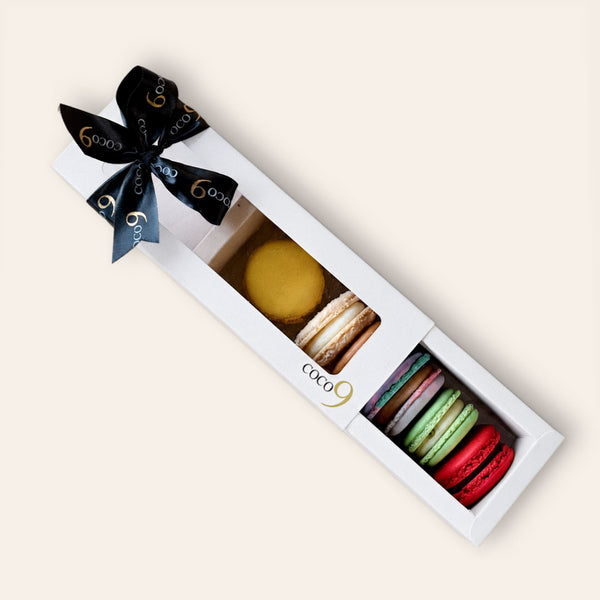
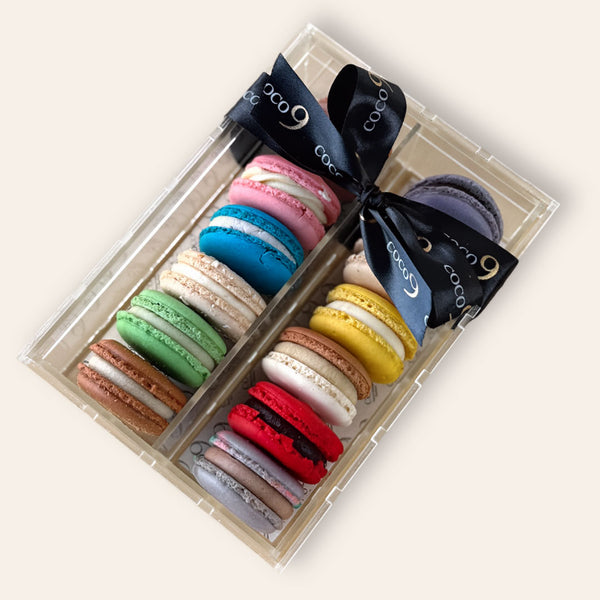
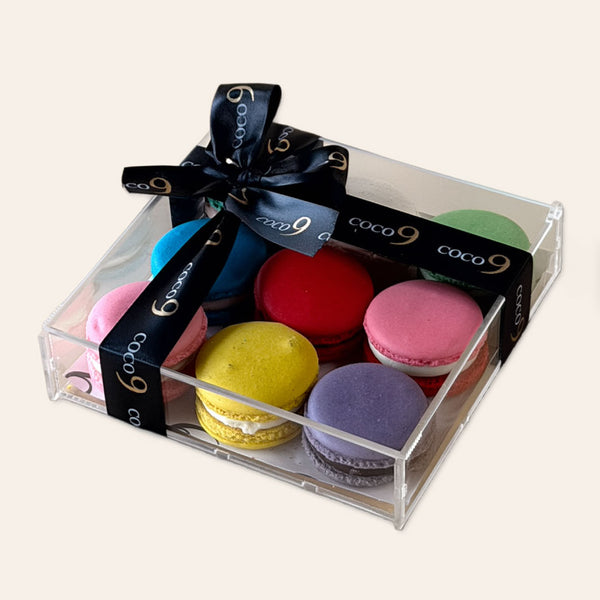
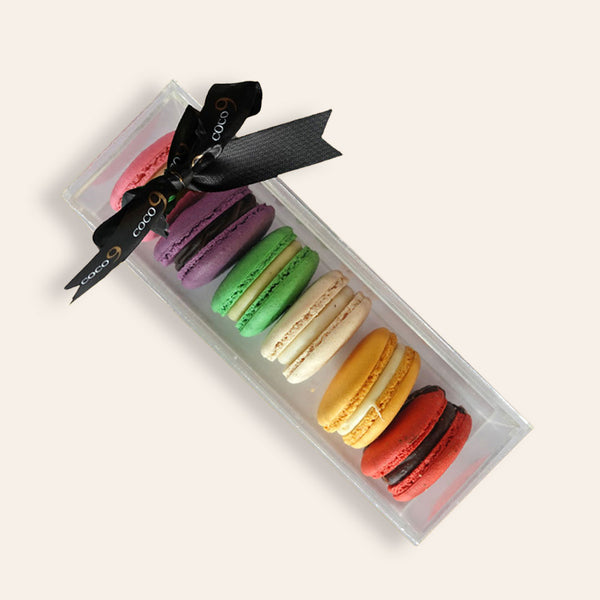
Walk into any upscale patisserie in Paris, Karachi, or New York, and chances are the first thing you will notice is a tower of perfectly round, pastel-colored macarons gleaming under warm display lights. These delicate confections have an almost magnetic appeal their smooth domes, ruffled feet, and vibrant colors are immediately inviting. But behind that visual perfection lies an astonishing amount of technique, precision, and patience. Making fresh macarons is one of the most technically demanding tasks in the world of patisserie, and understanding the craft behind every bite only deepens the appreciation of this extraordinary confection.
The Foundation: Understanding the Ingredients
A classic French macaron shell requires only four ingredients: almond flour, icing sugar, egg whites, and granulated sugar. Yet from these humble components, a skilled pâtissier must coax a product of remarkable complexity and beauty. The quality of each ingredient matters enormously. Almond flour must be finely ground and sieved to remove any coarse particles that would mar the smooth surface of the shell. Icing sugar must be dry and lump-free. Egg whites must be aged left uncovered in the refrigerator for at least 24 to 48 hours to reduce their moisture content and ensure they whip to a stable meringue.
The filling typically a ganache, buttercream, or jam requires its own set of premium ingredients. High-quality chocolate, fresh cream, real butter, and carefully chosen flavor infusions like vanilla beans, saffron, or cardamom pods are all essential to a filling with genuine depth of flavor. At every stage, the quality of ingredients directly determines the quality of the final product. There is no shortcut, and there is no hiding behind elaborate decoration a macaron stands or falls entirely on the quality of its ingredients and the skill of its maker.
Step One: The Tant Pour Tant
The first step in macaron-making is preparing what French pastry chefs call the 'tant pour tant' a mixture of equal parts almond flour and icing sugar that forms the structural foundation of the macaron shell. The almond flour and icing sugar are first weighed precisely (macaron-making is an exercise in precision even a five-gram discrepancy can affect the outcome) and then processed together in a food processor before being sieved through a fine-mesh sieve. This step ensures that the mixture is perfectly smooth, fine, and homogeneous, which is essential for achieving the glassy, unblemished surface of a professional macaron shell.
Step Two: The Meringue
The meringue is the heart of the macaron shell, and it can be prepared by one of two methods: the French meringue method or the Italian meringue method. The French method involves whipping aged egg whites with granulated sugar until stiff, glossy peaks form. This is the more accessible method, but it is also more vulnerable to humidity and temperature changes. The Italian method, preferred by most professional patisseries, involves pouring a hot sugar syrup cooked to exactly 118 degrees Celsius into the whipping egg whites. This creates a more stable, glossy meringue with a finer texture and greater resilience, resulting in macaron shells that are more consistent and more reliably perfect.
Regardless of the method, the meringue must be whipped to precisely the right consistency. Under-whipped meringue will produce flat, spreading shells; over-whipped meringue will result in shells that crack or fail to develop the characteristic foot. The distinction between the two lies in degrees of experience and careful observation it is a skill that takes most bakers many batches to master.
Step Three: The Macaronage
Once the meringue is ready, it is combined with the tant pour tant in the most critical and nerve-wracking stage of macaron-making: the macaronage. This technique involves folding the almond-sugar mixture into the meringue using a rubber spatula in a specific, controlled motion a combination of folding and pressing that simultaneously incorporates the ingredients and deliberately deflates a portion of the meringue. The goal is to achieve a batter that flows slowly, like lava, falls from the spatula in a thick ribbon, and disappears back into the mass within about ten seconds of falling.
The macaronage stage is where most home bakers encounter their greatest difficulties. Too little folding produces a lumpy, over-aerated batter that results in shells with rough surfaces and no feet. Too much folding collapses the meringue entirely, producing a runny batter that spreads uncontrollably on the baking sheet. The window of correct consistency is narrow, and recognizing it requires a trained eye and experienced hands. Professional pâtissiers typically count their folding strokes most recipes call for between 40 and 60 folds, depending on the specific recipe and the stiffness of the meringue.
Step Four: Piping, Resting, and Baking
The macaronage batter is transferred to a piping bag fitted with a round tip and piped onto silicone mats or parchment paper in precise, even circles. The piping itself requires practice the angle, pressure, and movement of the piping bag all influence the shape and size of the shell. Once piped, the trays are rested at room temperature for a period ranging from 20 minutes to an hour, depending on the humidity. This resting period allows the surface of the shells to dry and form a thin skin the skin that will, upon baking, trap steam inside the shell and force it to expand upward and outward, creating the characteristic ruffled foot.
Baking temperature and time vary by oven, and most macaron recipes require testing and calibration for each individual oven. Most shells are baked at between 140 and 160 degrees Celsius for 12 to 15 minutes. The shells should emerge from the oven with smooth, shiny domes, fully formed feet, and a surface that does not stick to the mat when gently nudged. They must be left to cool completely before filling, as even a small amount of residual heat will melt the filling and compromise the texture.
Step Five: Filling and Maturation
The filling of a macaron is as important as the shell, and it must be prepared with the same care and precision. Ganaches must be emulsified to achieve a smooth, glossy texture without graininess. Buttercreams must be whipped to silky perfection. The filling is piped onto one shell, and the matching shell is pressed gently on top, creating the sandwich. This finished macaron is then placed in an airtight container and refrigerated for a minimum of 24 hours a stage called 'maturation' that is essential to the final texture of the macaron. During maturation, the moisture from the filling slowly migrates into the shell, transforming its initially crisp, slightly hollow interior into the dense, chewy, moist texture that defines a perfectly made macaron.
Conclusion: A Labor of Love
Making fresh macarons is not merely a baking process it is a disciplined art form that demands technical knowledge, precise execution, quality ingredients, and the kind of intuitive judgment that can only be developed through repeated practice. Every perfectly made macaron represents hours of labor, years of learning, and an unwavering commitment to excellence. When you bite into a fresh macaron and experience that exquisite combination of crisp shell, chewy interior, and luxurious filling, you are tasting all of that and that is what makes every bite truly extraordinary.