As we move through 2025, the culinary world is still buzzing with the excitement of the "Dubai Chocolate" phenomenon. While social media has made Kunafa Chocolate a household name, it has also sparked a fascinating debate between purists and fusion lovers. To the untrained eye, the two might seem like variations of the same dish, but in reality, they are distinct experiences defined by different textures, temperatures, and cultural roles.
To understand the difference, we have to look beneath the surface. One is a warm, communal heritage dish that has fed generations, while the other is a snappy, chilled luxury designed for the modern palate.
The Heart of the Matter: Filling and Flavor
The most fundamental difference lies in what’s inside. Traditional Kunafa is built around a warm, molten core of cheese or cream. In Palestine and Jordan, this is typically Nabulsi or Akkawi cheese, which is desalted to provide a mild, slightly salty foundation that stretches beautifully when heated.
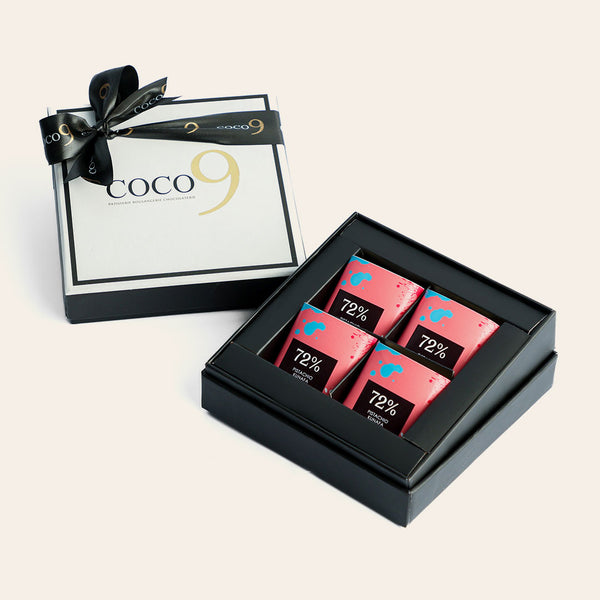
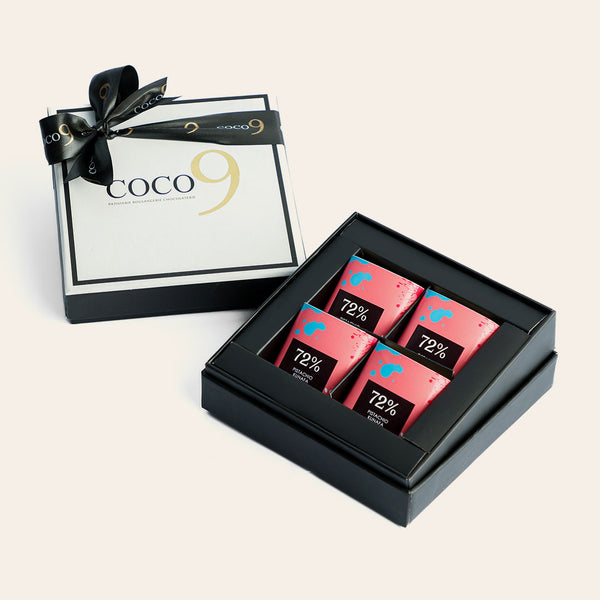
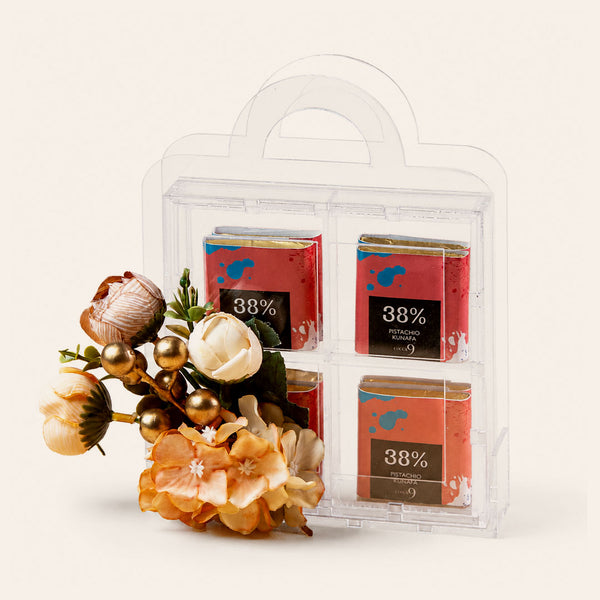
Kunafa Chocolate removes the cheese entirely, replacing it with a rich, nutty praline. The viral version specifically uses a mixture of toasted kataifi pastry blended with thick pistachio cream and a touch of tahini. This creates a flavor profile that is earthy and sweet, contrasting sharply with the savory, floral notes of the traditional cheese-filled pastry.
Texture and The "Snap" Factor
Traditional Kunafa is a masterclass in soft-meets-crisp. It is baked in large trays and then drenched in attar, a fragrant sugar syrup. This syrup softens the pastry threads just enough to make them tender while the cheese remains gooey. It is a dessert that yields to the fork.
Kunafa Chocolate, on the other hand, is all about the "crunch" and the "snap." Because the toasted pastry is encased in a tempered chocolate shell, it remains incredibly crispy. There is no syrup to soften the strands; instead, the texture comes from the friction of the butter-toasted kataifi against a smooth, hardening chocolate exterior. It is designed to be broken by hand, offering a satisfying auditory and tactile experience that has made it a favorite in the ASMR community.
Temperature and Serving Style
How you serve these two treats is where the divide becomes most apparent.
-
Traditional Kunafa is almost always served hot. The experience depends on the cheese being melted and the syrup being warm. If it cools down too much, the cheese becomes rubbery and the pastry loses its soul. It is a sit-down affair, often eaten from a plate with a side of strong Arabic coffee.
-
Kunafa Chocolate is a chilled or room-temperature treat. Because it is a chocolate bar, heat is actually its enemy. It is best enjoyed with a firm, cold snap that reveals the creamy green pistachio center. It is portable, giftable, and intended for individual indulgence rather than being sliced from a large communal tray.
Cultural Heritage vs. Global Innovation
Traditional Kunafa is a symbol of identity. Whether it is the orange-tinted Kunafa Nabulsieh from Nablus or the cream-filled versions found in Egypt, it is a dish that represents history, hospitality, and home. It is what families share during Ramadan or at weddings to signify a "sweet celebration."
Kunafa Chocolate represents the new era of global fusion. Born in the kitchens of innovators like Sarah Hamouda in Dubai, it takes the "DNA" of the Middle East—pistachio, tahini, and kataifi—and repackages it for a 2025 global audience. It has introduced Middle Eastern ingredients to people in London, New York, and Tokyo who might never have tried traditional Arabic sweets.
Why Both Have a Place at the Table
Choosing between traditional Kunafa and Kunafa Chocolate isn't about which is "better," but rather which experience you crave. If you want the comfort of a warm, syrupy hug and a savory cheese pull, the traditional tray is irreplaceable. If you want a modern, decadent snack that offers a symphony of nuttiness and a world-class crunch, the chocolate bar is a masterpiece of innovation.
Both desserts prove that the most successful flavors are those that respect their origins while being brave enough to evolve. As we continue to celebrate the "Sweetest Celebrations," these two icons will undoubtedly continue to share the spotlight, each offering a unique way to enjoy the timeless flavors of the Middle East.