The Allure of the French Macaron
Of all the confections that have captured the world's imagination in recent decades, few have achieved the iconic status of the French macaron. These delicate, jewel-colored sandwich cookies have transcended their origins in Parisian patisseries to become global symbols of luxury, sophistication, and artisanal craftsmanship. But what exactly makes French macarons so special? Why do they inspire such devotion and such anxiety among bakers? This deep dive into the world of French macarons explores their history, their unique sensory appeal, and the craftsmanship that goes into making them truly exceptional.
A Brief History of the French Macaron
The macaron as we know it today two almond meringue shells sandwiched with a ganache, buttercream, or jam filling is a relatively modern creation. Its origins, however, can be traced back to medieval Italy, where almond paste cookies were popular in convents and courts. When Catherine de Medici brought Italian pastry chefs to France in the 16th century, they introduced these almond-based confections to French cuisine, where they evolved over centuries into the macaron's modern form.
The modern, sandwich-style macaron is widely credited to Pierre Desfontaines of Ladurée, the iconic Parisian patisserie, who in the early 20th century had the inspired idea of joining two macaron shells with a ganache filling. This innovation transformed the macaron from a simple cookie into an art form, and Ladurée's pastel-colored, impeccably crafted macarons became synonymous with Parisian luxury and French patisserie excellence.
The Science of the Perfect Macaron
What makes macarons so notoriously difficult to make and so extraordinarily satisfying to achieve is the precise science behind their creation. The shells are made from almond flour, icing sugar, egg whites, and granulated sugar, whipped into a meringue and then folded with the almond-sugar mixture using a specific technique called 'macaronage.' The macaronage stage is critical: over-mixing creates flat, spreading shells; under-mixing results in cracked, lumpy tops without the characteristic smooth, shiny surface.
After piping, the shells must 'rest' for a period that allows a skin to form on their surface this skin is what creates the 'pied,' the distinctive ruffled foot that is one of the hallmarks of a well-made macaron. Temperature, humidity, and oven calibration all play critical roles in determining whether the shells will develop the perfect foot, maintain their smooth domed surface, and achieve the ideal combination of crisp exterior and chewy, moist interior.
The Sensory Experience of a Perfect Macaron
A perfectly made French macaron is a multi-sensory experience. Visually, it is a study in beauty smooth, shiny, perfectly domed, with a delicate ruffled foot and a vibrant, even color. The first touch reveals a shell that is slightly crisp, yielding gently to pressure without crumbling. The first bite delivers a symphony of textures: the initial crack of the shell, the chew of the almond meringue, and the luxurious creaminess of the filling. The flavor should be clean, pronounced, and harmonious the filling's flavor perfectly complementing the subtle sweetness of the shell.
The Role of Flavor Innovation
One of the reasons macarons remain enduringly popular is their extraordinary capacity for flavor innovation. While classic flavors like raspberry, pistachio, chocolate, and vanilla remain beloved staples, contemporary patissiers and chocolatiers are constantly pushing the boundaries of macaron flavor. You might encounter macarons flavored with rose water and lychee, saffron and cardamom, matcha and yuzu, earl grey and lavender, or passion fruit and coconut. Each new flavor combination is an opportunity for creative expression and a reason for macaron enthusiasts to keep coming back for more.
Macarons in Pakistani and South Asian Culture
The French macaron has found a passionate following in Pakistan and across South Asia, where it has been enthusiastically adopted by luxury patisseries and artisan bakers in Karachi, Lahore, and Islamabad. Local bakers have embraced the macaron's potential for flavor innovation, creating subcontinental-inspired variations featuring flavors like Kashmiri chai, gulab (rose), kesar (saffron), paan, and thandai. These locally inspired macarons have made the French confection deeply relevant to Pakistani tastes while maintaining the technical standards that define the true French macaron.
Macarons as Gifts
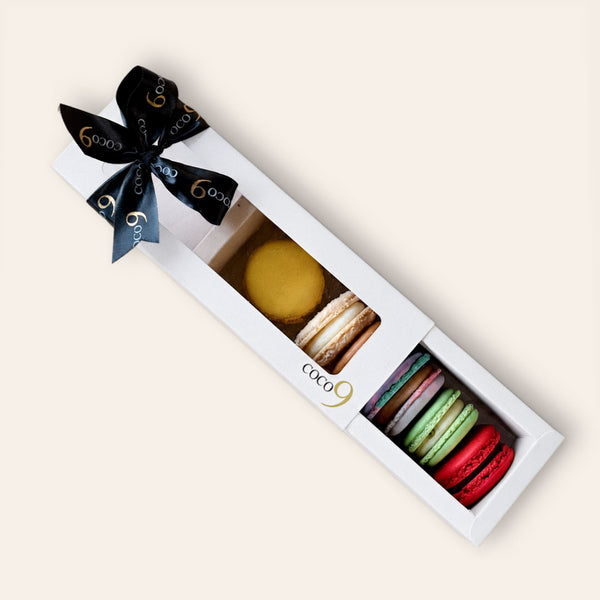
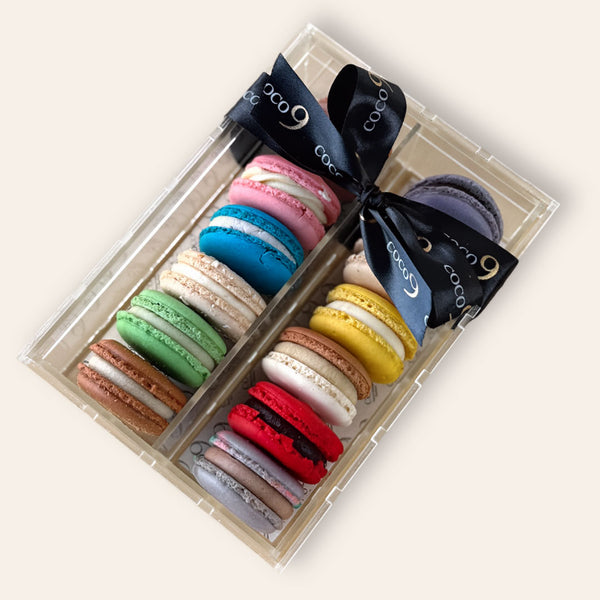
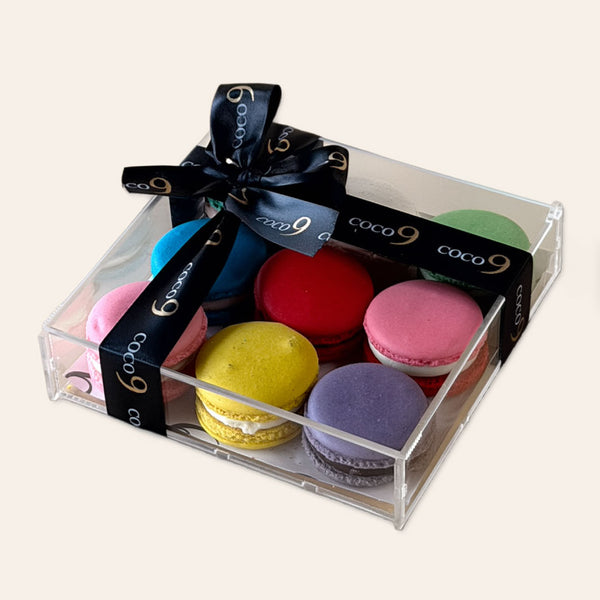
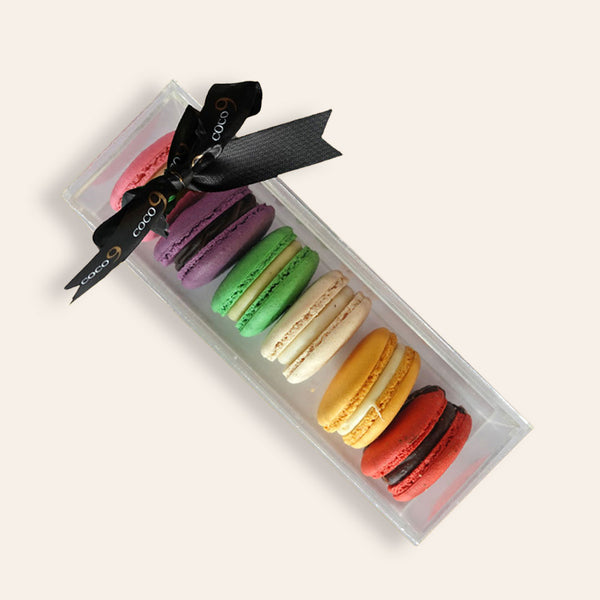
The visual beauty, the flavor variety, the delicate craftsmanship, and the sense of luxury that macarons embody make them one of the most beloved items in premium gift boxes. A beautifully arranged box of assorted macarons in a signature range of colors and flavors is a gift that conveys elegance, thoughtfulness, and indulgence in equal measure. For Ramadan and Eid gifting, corporate hampers, and luxury gift baskets, macarons are an almost universally adored inclusion that elevates the entire gift experience.
Conclusion
French macarons are special because they represent the meeting point of art, science, and pleasure. They require extraordinary skill to make well, they reward the recipient with an extraordinary sensory experience, and they communicate a level of care and refinement that few other confections can match. Whether enjoyed at a Parisian patisserie, ordered from an artisan baker in Karachi, or received in a luxury gift box on Eid, the French macaron is a moment of pure, beautiful indulgence and that is why the world cannot get enough of them.