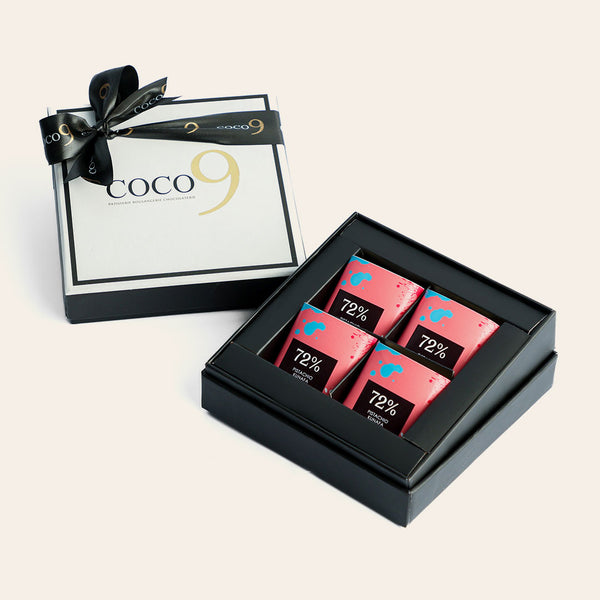
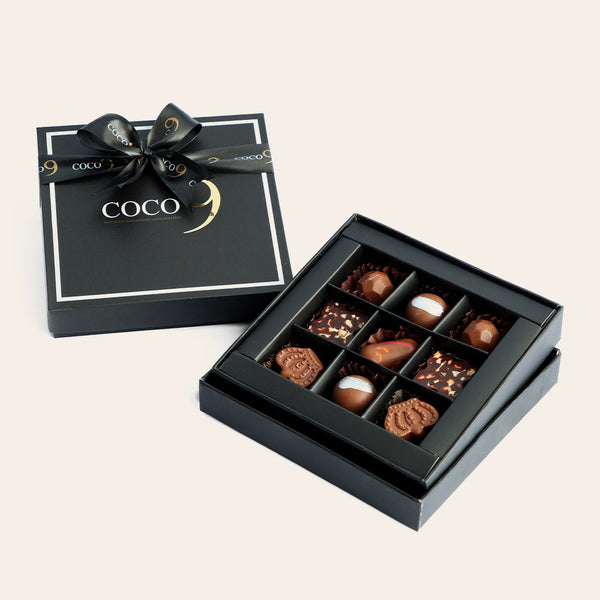
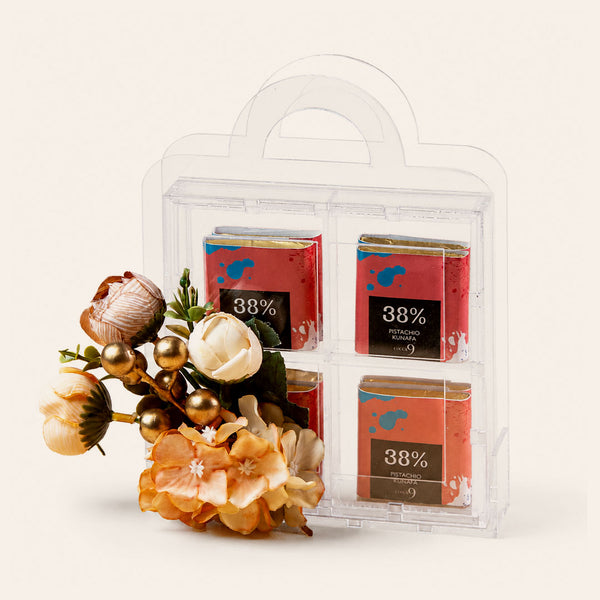
In the ever-evolving world of culinary arts, 2025 has been defined by a single, mesmerizing creation: Kunafa Chocolate. It has dominated social media feeds, sparked international waitlists, and redefined what we expect from a luxury confection. But to call it just a "trend" is to miss the beauty of its construction. Kunafa Chocolate is a sophisticated fusion that marries the centuries-old heritage of Middle Eastern pastry with the global, timeless appeal of artisanal chocolate.
This dessert represents a cultural bridge. On one side, you have the rich, storied tradition of the Levant, and on the other, the modern innovation of high-end confectionery. To understand why this specific treat has captured the world’s imagination, we must look at the ingredients, the craftsmanship, and the sensory experience that makes it truly unique.
The Foundation: The Legend of Kunafa
To appreciate the "fusion," we must first honor the "original." Kunafa (often spelled Knafeh) is arguably the most beloved dessert in the Middle East. With roots stretching back to the Umayyad and Abbasid caliphates, it has been the centerpiece of celebrations for over a millennium.
The heart of any kunafa is the kataifi a dough made of long, thin pastry strands that resemble shredded wheat or vermicelli. In its traditional form, these strands are layered with a salty, stretchy white cheese, baked until golden and crispy, and then drenched in attar, a fragrant sugar syrup infused with rose or orange blossom water. The result is a warm, gooey, and crunchy masterpiece. It is the ultimate comfort food, a symbol of hospitality that brings families together around large circular trays.
The Modern Catalyst: The Chocolate Revolution
Chocolate, while globally adored, has often been a separate entity from Middle Eastern desserts, which typically lean on honey, nuts, and syrups. However, the rise of "bean-to-bar" culture and artisanal chocolate making created an opening for something new. Modern chocolatiers began looking for ways to add texture to their bars beyond the standard sea salt or almonds.
The breakthrough happened when creators realized that the kataifi used in kunafa provided a structural crunch that was far superior to puffed rice or wafers. By taking that shredded pastry, toasting it in clarified butter (ghee) until it achieved a deep golden hue, and mixing it with nutty pralines, they created a revolutionary filling. When this mixture was encased in a thick shell of tempered milk or dark chocolate, Kunafa Chocolate was born.
Why the World is Obsessed: The Sensory Breakdown
There is a scientific reason why Kunafa Chocolate has gone viral. It hits every major sensory trigger that the human brain craves in a dessert.
The Visual Appeal In an era of "Instagrammable" food, Kunafa Chocolate is a king. When you snap a bar in half, the visual contrast is stunning. The dark or milk chocolate exterior gives way to a vibrant, often neon-green interior (thanks to high-quality pistachio cream) intertwined with the golden, bird-nest-like strands of the kataifi. It looks like a treasure chest being opened.
The Auditory Experience The "ASMR" (Autonomous Sensory Meridian Response) community has played a massive role in this dessert's rise. The sound of the thick chocolate shell cracking, followed by the distinctive, multi-layered "scrunch" of the fried pastry, is incredibly satisfying. It provides an auditory promise of the crunch to come.
The Textural Contrast This is the "Middle Eastern–modern dessert blend" at its finest. You experience the initial snap of the chocolate, followed by the velvety smoothness of a nut butter filling, and finally, the intense, rhythmic crunch of the pastry. It is a rollercoaster of textures that keeps the palate engaged from the first bite to the last.
The Evolution of the Plate: Traditional Kunafa vs. The Modern Chocolate Bar
While both versions share the soul of the Levant, they offer vastly different sensory experiences. Traditional Kunafa relies on the warmth of Nabulsi or Akkawi cheese, served hot so the syrup can soak deep into the pastry. It is a dish of community, usually sliced from a massive round tray at weddings or during Ramadan.
In contrast, the Kunafa Chocolate bar is designed for the modern connoisseur. It swaps the stretchy cheese for a premium chocolate shell and replaces the floral sugar syrup with a rich, nutty pistachio cream. While the traditional dish is soft and comforting, the bar is all about the "snap" of tempered chocolate and the intense, concentrated crunch of butter-toasted kataifi, making it the perfect portable luxury for today's fast-paced lifestyle.
The Dubai Connection: From Local Secret to Global Craze
While variations of chocolate-covered kunafa have existed in boutique shops for years, the specific "viral bar" we see today gained massive momentum in Dubai. Brands like Fix Dessert Chocolatier took the concept and elevated it to a status symbol. They didn't just make chocolate; they made "edible art" with hand-painted designs on the shells and flavors like "Can’t Get Knafeh of It."
Dubai’s position as a global hub for luxury and tourism allowed this local innovation to travel fast. Tourists and influencers shared their "unboxing" experiences, and soon, the demand far outpaced the supply. This scarcity only fueled the fire, leading to "dupe" recipes and artisanal versions appearing in London, New York, Paris, and Sydney.
How to Identify a Truly Great Kunafa Chocolate Bar
As with any trend, there are many imitations. If you are looking for the authentic experience, there are a few quality markers to look for:
The Quality of the Kataifi: The pastry should be toasted to a deep gold. If it is pale, it will be soggy. If it is too dark, it will taste burnt. It must be perfectly crisp even when surrounded by cream.
The Nut Paste: A true Kunafa Chocolate bar usually features pistachio or tahini. The paste should be made from real nuts, not just flavored sugar. You should be able to taste the earthiness of the pistachio.
The Chocolate Temper: The shell should have a glossy sheen and a clean snap. If the chocolate is soft or dull, it hasn't been tempered correctly.
The Balance: It should not be cloyingly sweet. The saltiness of the butter in the kataifi and the richness of the nuts should balance the sugar in the chocolate.
A Global Culinary Handshake
Kunafa Chocolate has become a cultural touchstone that transcends borders. From specialty boutiques in London to local bakeries in Philadelphia, this dessert has introduced the flavors of the Middle East to people who may have never stepped foot in a traditional pastry shop. It is proof that when you blend the warmth of tradition with the polish of modern craftsmanship, you create something truly universal.
This fusion is more than just a passing fad; it is a celebration of identity. It shows that Middle Eastern flavors pistachio, rose, tahini, and kataifi—have a rightful place in the world of global luxury dining. It invites curiosity about the culture it came from, often leading people to try the traditional warm kunafa for the first time.
Why it Belongs at Your Next Celebration
Whether you're celebrating a milestone or simply indulging in a midday treat, this fusion reminds us that the best flavors are those that carry a piece of history with them. It is a conversation starter, a luxury gift, and a delicious reminder of how small the world becomes when we share our culinary secrets. As we look toward the future of desserts, Kunafa Chocolate stands as a glowing example of how we can innovate without losing our roots.